
Kogen Ninpo Dojo Deshi Training Programs
Overview of Training Programs
The Kogen Ninpo Dojo is dedicated to offering advanced instruction in the esteemed traditions of Ninjutsu and Samurai arts. The dojo presents three distinct Traditional Intensive Training Options (TITO), each designed to foster a disciplined, immersive martial arts experience.
Traditional Intensive Training Options (TITO)
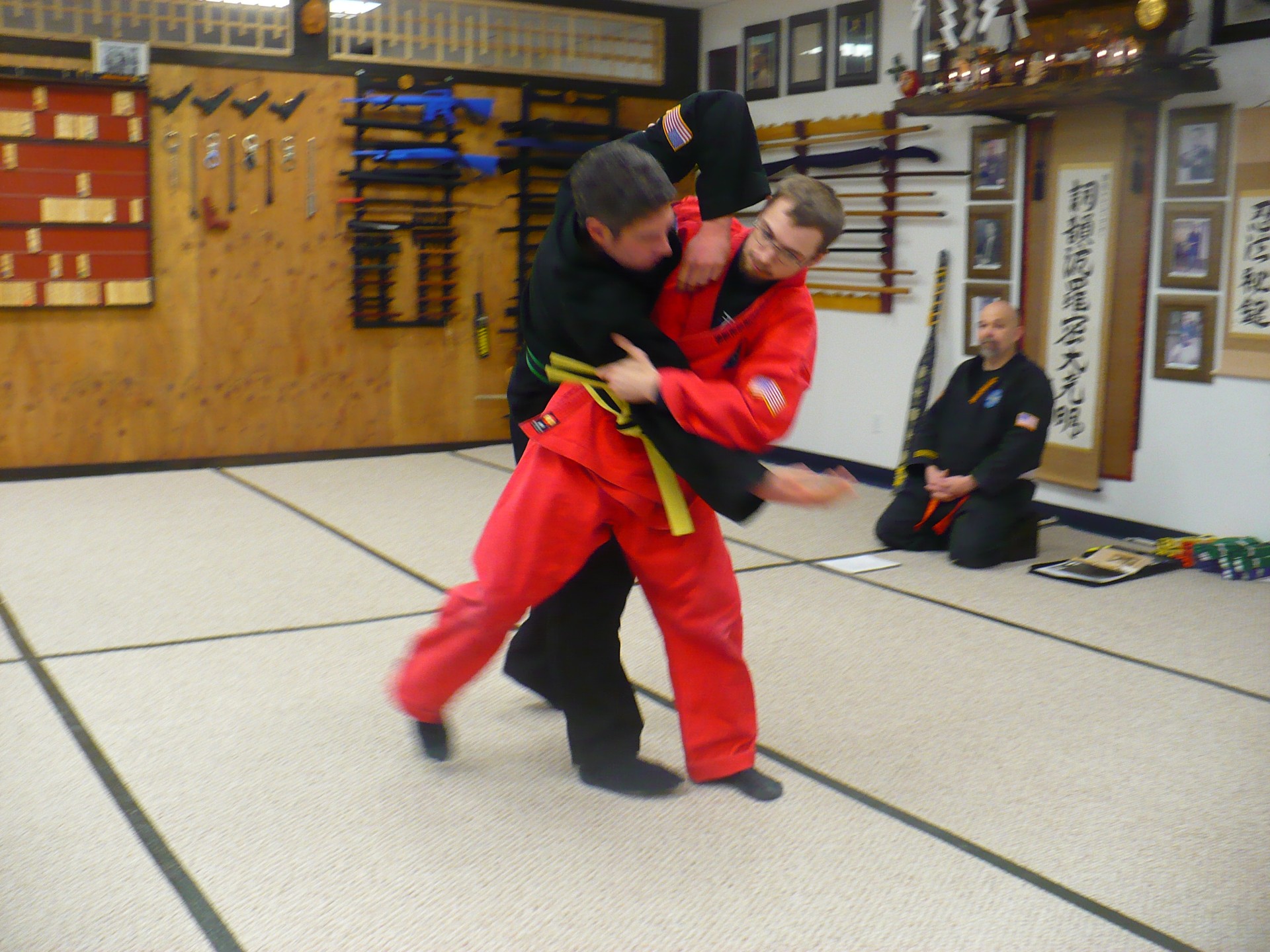
- Kenkyusei (Student Seeking Research): This program is available to individuals who have attained a minimum of 3rd Dan in Ninpo.
- Uchi Deshi (Live-In Apprentice Student): Candidates must have achieved at least 3rd Kyu in Ninpo, though this requirement may be waived at the discretion of the Sensei.
- Soto Deshi (Non-Resident Apprentice Student): Admission requires a minimum rank of 6th Kyu in Ninpo, with possible exceptions granted by Sensei.
Uchi Deshi Program
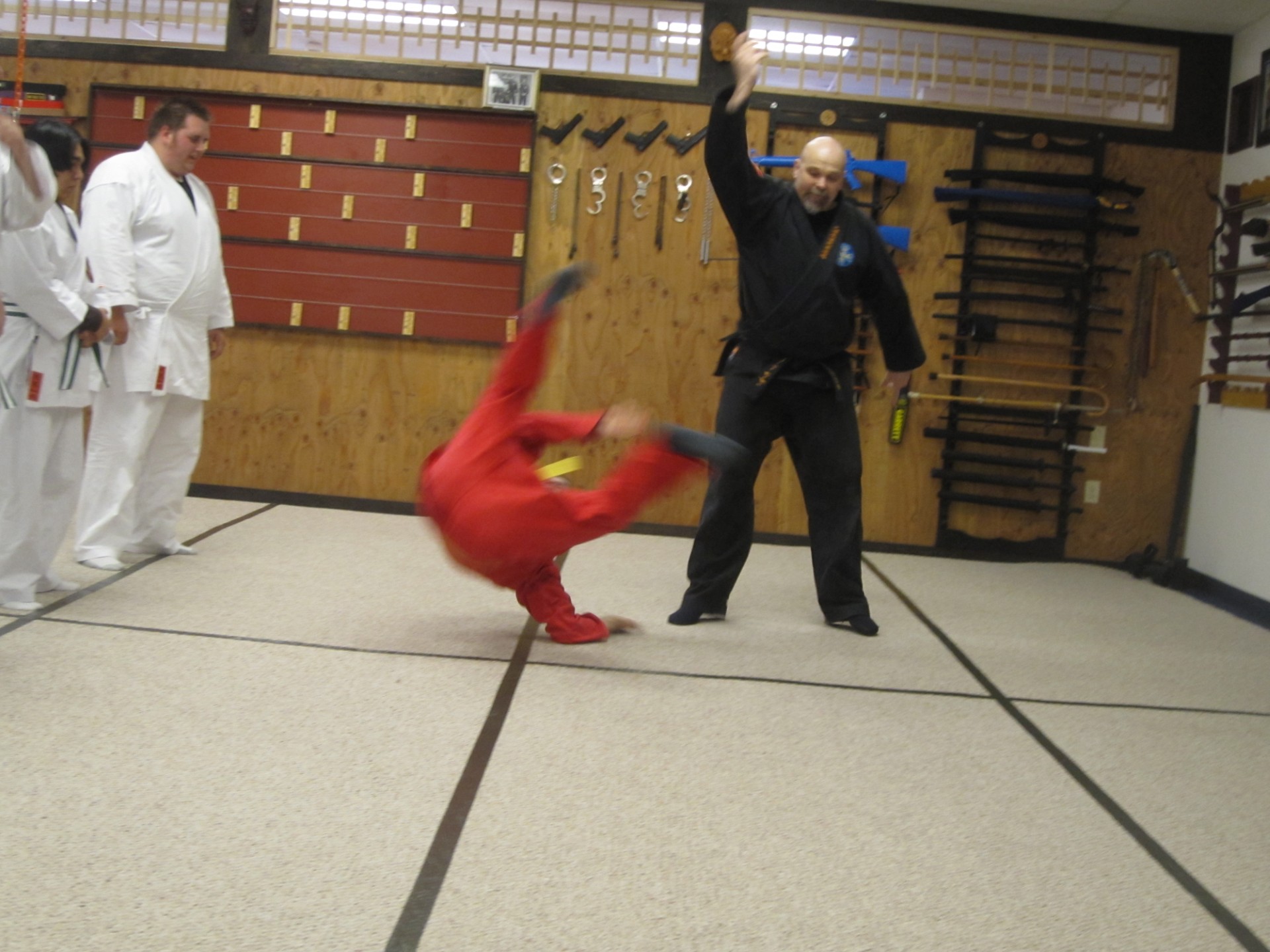
The Uchi Deshi designation refers to a “live-in student” who commits fully to the pursuit of the martial way. This traditional role entails residence within the dojo, immersion in rigorous training, and mentorship under a budo master. The experience of an Uchi Deshi is comprehensive, extending beyond technical skills to facilitate personal growth and social development.
Expectations and Responsibilities
- Uchi Deshi are required to maintain the cleanliness and order of the dojo, as well as aid Sensei in all matters.
- Training is paramount and must be approached with unwavering dedication, irrespective of the nature of assigned tasks.
- The program integrates continuous martial arts instruction in a traditional Japanese setting, including private meditation sessions with Sensei.
- Uchi Deshi are expected to demonstrate compassion, sincerity, harmony with nature, and a steadfast commitment to the art.
- The program demands careful consideration and a readiness to undertake responsibilities beyond those expected of regular students.
- The Uchi Deshi lifestyle is monastic, emphasizing deep study of Ninpo and Bu-jutsu with minimal distractions.
- Applicants must possess adequate medical insurance and financial stability to ensure uninterrupted participation. Social activities should be minimized and family and friends informed of one’s commitment.
- A minimum study duration of six months or longer is required.
Program Benefits
- Access to a private, traditional dojo, including live-in accommodations, private rooms, shower facilities, and kitchen privileges.
- Personalized instruction under Corder Sensei and access to an Asian-style meditation garden with a pond.
- Proximity to national parks, lakes, and rivers for reflection and training.
- The monthly tuition fee for the Uchi Deshi program covers both instruction and rent for live-in accommodations. It is important to note that the program fee does not include the cost of food, clothing, testing, or annual membership dues.
- Development of essential life skills and experience interacting with diverse individuals and students.
- Appreciation of the relationship between self-discipline and service to others.
- Responsibilities include administrative tasks such as answering phones, taking messages, and acting as a steward to attract new students to the dojo.
- Participation in both formal and informal private training sessions, exclusive to Deshi.
- Engagement in intensive meditation or Zen retreats.
- Eligibility for wholesale pricing on products accessible through Sensei.
- Authority to supervise all Soto Deshi in the absence of Sensei or Sempai.
- Accelerated path to advanced rank or instructor certification in Ninpo.
- More focused and intensive training than regular students.
- Presentation of a special certificate for completion of each year in the program.
- Distinction of wearing a blue uniform (Do-Gi) and patches representing Uchi Deshi status.
Soto Deshi Program
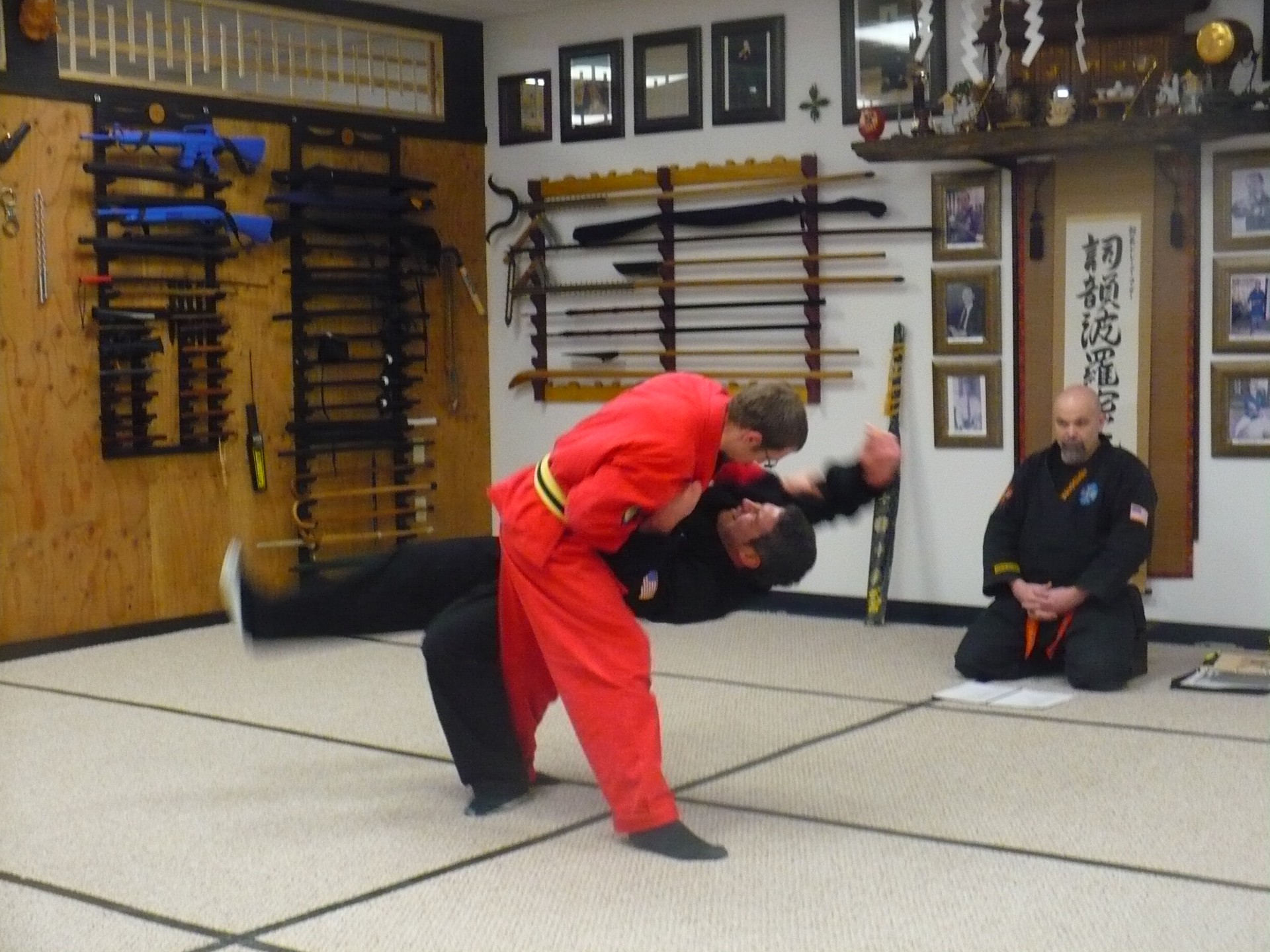
Soto Deshi refers to “outside students” who do not reside within the dojo but undertake an intensive training curriculum in Ninpo Taijutsu. While maintaining flexibility to work outside the dojo, Soto Deshi are held to rigorous standards, with a focus on skill advancement and preparation for future instructor roles.
Program Structure and Expectations
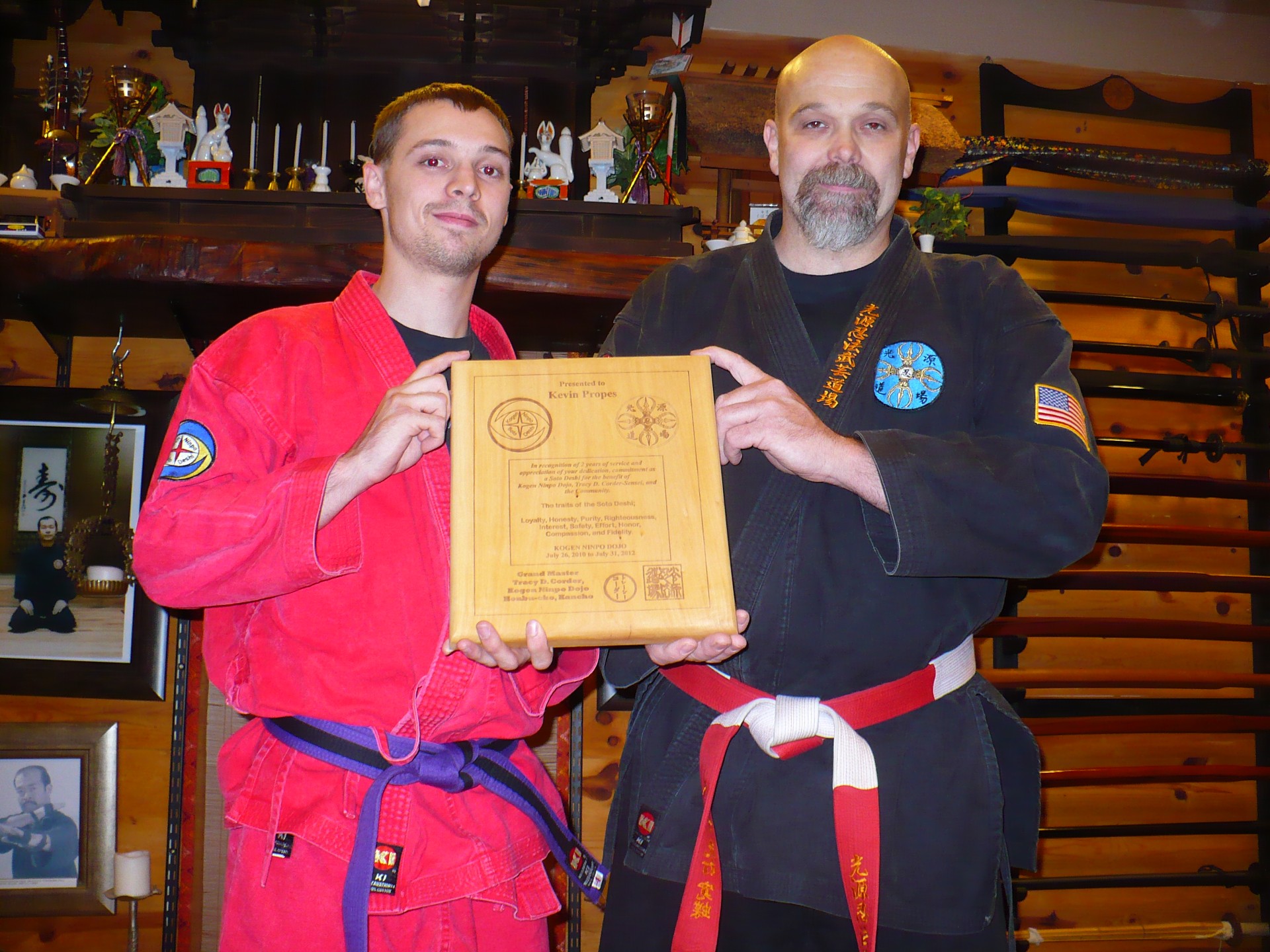
- Soto Deshi must demonstrate diligence and commitment, training with greater intensity than regular students.
- Though living offsite, Soto Deshi are expected to spend designated time at the dojo or at Sensei’s residence, participate in personal apprenticeship, and maintain consistent engagement with fellow students, particularly those in need of guidance.
- This program is exacting and requires dedication both within and outside the dojo environment.
Program Benefits
- Opportunities to develop interpersonal skills and collaborate with a wide range of students.
- Enhanced understanding of the interplay between personal growth and service to others.
- Participation in administrative duties such as answering phones and taking messages.
- Role as a steward for the dojo, assisting in the recruitment of new students.
- Receipt of both formal and informal private training within exclusive Deshi classes.
- Opportunities for intensive meditation or Zen retreats.
- Access to wholesale pricing on products through Sensei.
- Obligation to be subordinate to Uchi Deshi if Sensei is not present.
- Fast-track advancement toward higher rank or instructor certification in Ninpo.
- Greater focus and specialized training compared to regular students.
- Eligibility to receive a special award certificate for each year completed in the program.
- Authorization to wear a distinctive patch on the uniform signifying Soto Deshi status within the dojo.